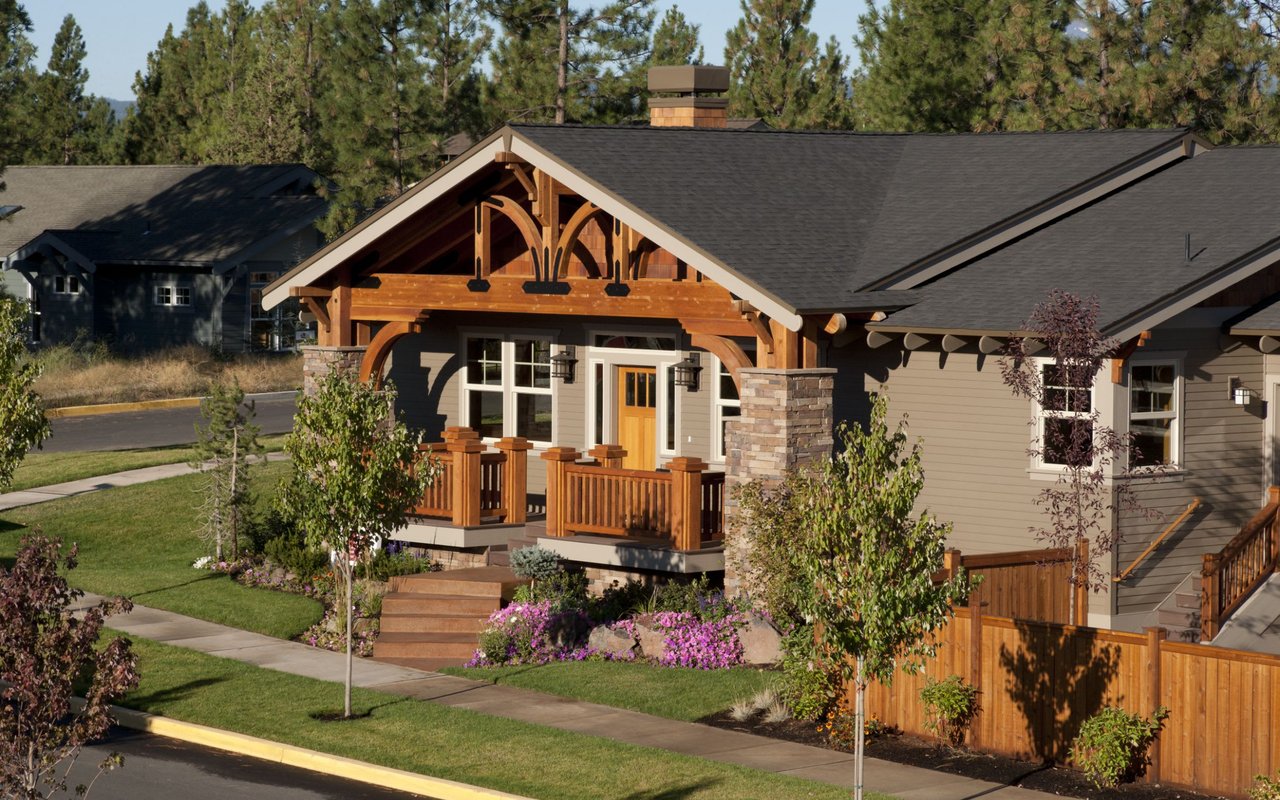
SENIOR LIVING IN BEND, OREGON - LIFESTYLE, HOUSING AND CARE OPTIONS
Are you thinking about simplifying your home, planning for retirement, or helping a parent explore senior living in Bend, Oregon?
Bend offers several ways to approach this next chapter, from remaining in a familiar home to downsizing into a more manageable property or exploring communities with additional services.
The right decision often starts with understanding how you want to live today, what your home will require in the years ahead, and which resources are available when your needs change.
WHY BEND APPEALS TO RETIREES AND OLDER ADULTS
Bend's outdoor recreation, restaurants, arts, and community activities offer opportunities to stay engaged throughout retirement.
The Deschutes River, local parks, walking paths, and nearby natural areas are part of the lifestyle that attracts people to Central Oregon.
But enjoying Bend as a visitor is different from living here year-round.
Winter weather, transportation, access to medical appointments, and the distance between home and everyday services deserve consideration. A property that works beautifully during summer may require more maintenance or planning during colder months.
When evaluating retirement living in Bend, it's worth considering both the lifestyle you enjoy and the practical details that support it.
AGING IN PLACE: STAYING IN YOUR CURRENT HOME
For many homeowners, the first choice is to remain in their existing home.
Aging in place may involve relatively simple modifications, such as improving lighting, adding bathroom grab bars, reducing tripping hazards, or creating a main-level bedroom.
Other properties may require more substantial changes.
Multi-story layouts, steep driveways, exterior stairs, large yards, and ongoing maintenance can become increasingly demanding over time.
Before investing in renovations, consider whether the home's location, layout, and long-term maintenance requirements will continue to support your needs.
The Council on Aging of Central Oregon provides information about local services, including in-home support, transportation, and other resources that can help older adults remain connected and independent.
DOWNSIZING WITHOUT GIVING UP THE BEND LIFESTYLE
Downsizing doesn't necessarily mean leaving the community or activities you love.
It may mean exchanging a larger property for a single-level home, smaller residence, condominium, or townhome with fewer maintenance responsibilities.
When comparing senior housing options in Bend, consider more than square footage.
Look at entryways, stairs, bathroom accessibility, parking, storage, landscaping responsibilities, and proximity to shopping, recreation, and healthcare.
Condominiums and planned communities may offer exterior maintenance arrangements, but homeowners should review association fees, governing documents, reserve information, and any restrictions before purchasing.
A smaller home is not automatically easier or less expensive to maintain. The goal is to find a property that fits your preferred lifestyle and financial plans.
UNDERSTANDING INDEPENDENT LIVING AND CARE OPTIONS
Not every senior living community provides the same level of assistance.
Independent living communities generally emphasize residential convenience, social activities, and optional services for people who do not require regular personal care.
Assisted living communities provide housing along with individualized support for daily activities, depending on the services offered.
Memory care communities provide specialized support for people living with dementia or related cognitive conditions.
Oregon also licenses adult foster homes and residential care facilities, which may offer different residential environments and support arrangements.
The Oregon Department of Human Services maintains a licensed long-term care provider search where families can review provider information, inspection reports, and regulatory history.
Before selecting a community, ask about care services, additional fees, staffing, availability, and what happens if a resident's needs change.
SHOULD YOU SELL YOUR HOME BEFORE MOVING?
This is one of the most important financial and logistical questions for homeowners considering a transition.
Selling first may provide clarity about available funds and eliminate ongoing ownership expenses. However, it can also create pressure if the next residence isn't ready.
Buying or arranging housing first may provide a smoother transition, but it could mean carrying overlapping expenses.
Some homeowners choose to retain their property temporarily while exploring their options.
The appropriate strategy depends on your finances, timing, housing availability, and personal circumstances.
Understanding your property's potential market value and likely selling expenses can help you compare alternatives before making a commitment.
PLANNING YOUR NEXT CHAPTER IN CENTRAL OREGON
Whether you're considering a smaller home, preparing to sell a longtime residence, or exploring housing options for a family member, the best decisions usually begin before a move becomes urgent.
Angie Cox helps older adults, downsizing homeowners, and families throughout Bend and Central Oregon understand the real estate details involved in changing housing needs, including property considerations, community responsibilities, and connections to local service providers.
The goal isn't simply to find a different place to live. It's to make a thoughtful housing decision that supports the lifestyle, flexibility, and peace of mind you're looking for.
Thinking about downsizing, relocating, or exploring your next housing option in Bend?
Call Angie at (541) 213-9950 or book a quick call with Angie here to talk it through.